
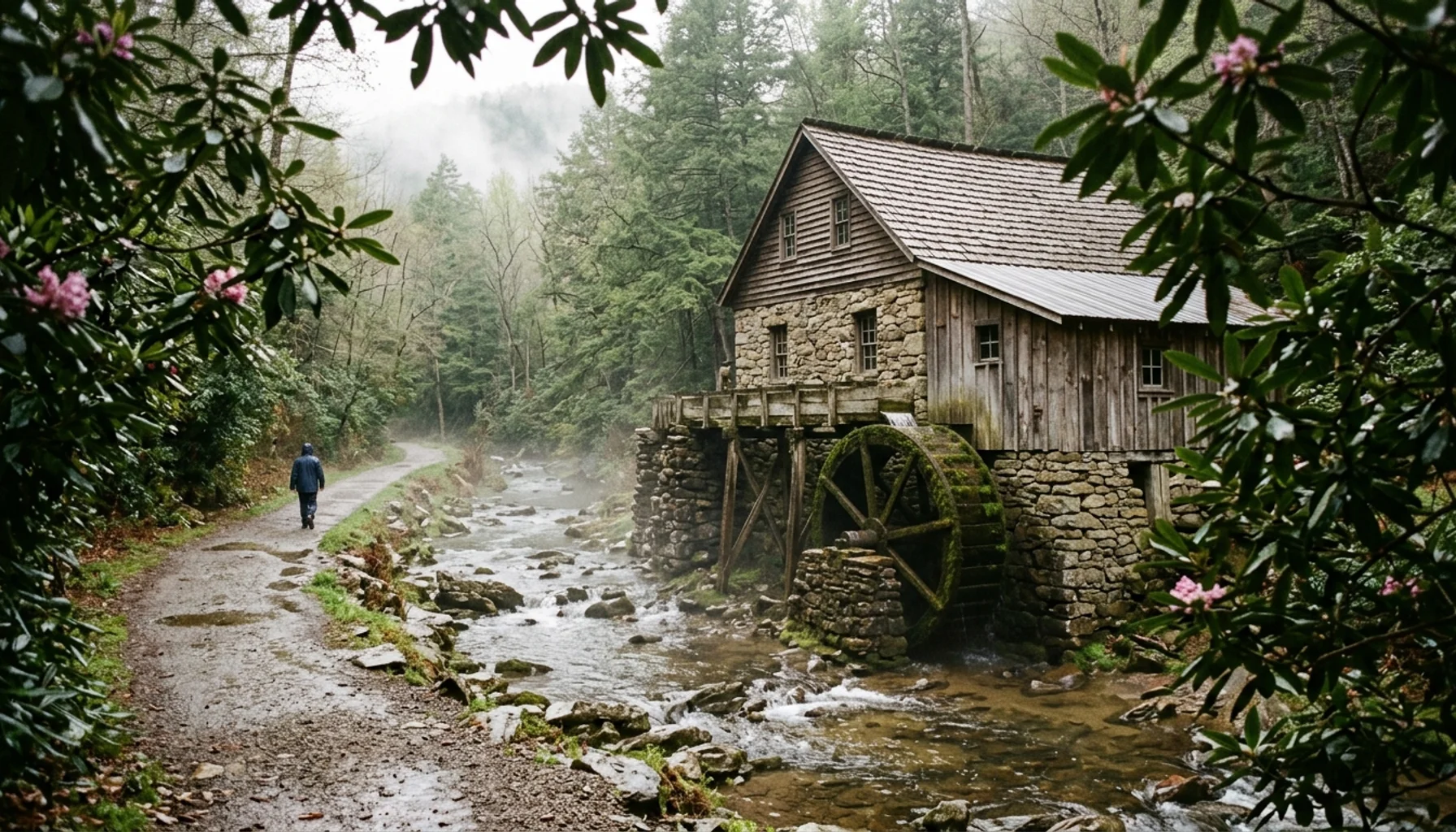
The best hidden gems Gatlinburg visitors miss sit just off the Parkway: Ely’s Mill, the Salt and Pepper Shaker Museum, Mynatt Park, the Great Smoky Arts and Crafts Community loop, and quiet park corners like Cataract Falls and Roaring Fork. Go on a weekday morning and you will often have them nearly to yourself.
Key Takeaways
- Gatlinburg’s quieter attractions cluster in three places: small downtown shops and parks, the 8-mile Arts and Crafts Community loop, and lesser-used corners of Great Smoky Mountains National Park.
- The Salt and Pepper Shaker Museum holds more than 20,000 sets of shakers, and Ely’s Mill dates to 1925.
- Cataract Falls and the Gatlinburg Trail start near the Sugarlands area and suit kids, grandparents, and (on leash) dogs; Ramsey Cascades is a strenuous, all-day commitment.
- Great Smoky Mountains National Park recorded about 12.2 million visits in 2026, so timing matters more than destination for avoiding crowds.
- All six Bear Crest Cabins are pet-friendly with a private hot tub, and each sits in a different part of the Gatlinburg, Pigeon Forge, and Sevierville area.
Gatlinburg packs a lot into a small valley. The Parkway handles most of the foot traffic, and the National Park Service reports that about 12.2 million people visited the national park in 2026. A separate NPS visitor survey found that 62% of park visitor groups also stopped in Gatlinburg.
That volume explains why so many first-timers see the same five attractions. It also explains why the best moments of a 2026 trip often happen ten minutes away from the busiest sidewalk, at a pottery shop, a small museum, or a creekside pull-off.
At Bear Crest Cabins, we host guests across six family-run cabins around Gatlinburg, Pigeon Forge, and Sevierville. The question we hear most before arrival is where to go when the Parkway feels like too much. This guide answers it with real names, honest caveats, and timing advice.
What Are the Hidden Gems in Gatlinburg That Locals Still Visit?
A Gatlinburg hidden gem is a stop that sits outside the standard Parkway route but still rewards a visit: a small museum, a historic mill, a neighborhood park, or a quiet park trail. The table below labels where each one sits, because many roundups blur downtown, park, and neighboring-town locations together.
| Place | Type | Where it sits | Plan around |
|---|---|---|---|
| Ely’s Mill | Historic mill, shop | Gatlinburg area | Confirm hours with the business before driving over |
| Salt and Pepper Shaker Museum | Quirky indoor museum | Gatlinburg | Short stop; check current admission on arrival or online |
| Mynatt Park | Neighborhood park, trail | Off Cherokee Orchard Road | Free, open-air; best on dry days |
| Great Smoky Arts and Crafts Community | 8-mile loop of studios | Outside downtown | Studio hours vary; go midday on a weekday |
| Cataract Falls | Short waterfall walk | Inside the national park | Early morning beats the crowds |
| Roaring Fork Motor Nature Trail | Scenic one-way drive | Inside the national park | Seasonal closure; verify with NPS |
| Metcalf Bottoms | Creekside picnic area | Wears Valley side of the park | Summer weekends fill up |
Most of these do not appear in the standard Parkway itinerary. Our Gatlinburg attractions guide covers the better-known stops if you want both sides of the picture.
What Is the Main Strip Called, and How Do You Get Off It?
The main strip in Gatlinburg is called the Parkway, the stretch of US 441 lined with attractions, candy shops, and restaurants. It is walkable, loud on summer weekends, and the easiest place to lose an afternoon to lines.
The easiest way off it is a short walk into The Village Shops, a cluster the local guides describe as having 27 boutiques for shopping, dining, and entertainment. Another is the Gatlinburg trolley, which connects the Parkway to other parts of town so you can skip the parking hunt.
Famous attractions are famous for good reason, but they are not hidden. Anakeesta and Gatlinburg SkyPark draw big crowds by design. Book them for a morning start if you want them, and save your afternoons for the smaller places below.
If you are traveling with kids, our pacing guide for Gatlinburg with kids explains how to alternate big attractions with slower stops.
Which Quirky Museums and Odd Attractions Are Worth the Stop?
The Salt and Pepper Shaker Museum is the most reliable quirky stop in Gatlinburg, holding more than 20,000 sets of shakers according to Visit My Smokies and SmokyMountains.com. It is a quick, low-effort indoor stop that works well on rainy afternoons.
You will not spend half a day here, and that is the point. Plan for a short visit, then walk to lunch. We cannot verify the current ticket price, so check the museum’s own listing before you go rather than trusting a roundup.
The Mysterious Mansion is a family-run haunted house operating since 1980, a self-guided walk through a three-story, turn-of-the-century-style mansion. It suits older kids and adults who like theatrical scares. Ask the attraction directly about tour length and age guidance, since both depend on how quickly your group moves.
Two smaller options round out the list. Iris Theater sits at the base of the Gatlinburg Space Needle and runs a family-friendly magic and mindreading show. Old Tyme Portraits, beside the Subway on the main strip, lets you dress in old-country Western outfits for a portrait or wanted-poster photo. Both are touristy by nature, but neither draws the lines of the headline attractions.
Where Can You Find Local Food, Crafts, and Shops Away From the Crowds?
The Great Smoky Arts and Crafts Community is an 8-mile loop of independent studios, galleries, and shops just outside downtown. One local guide calls it the largest collection of independent artisans in North America. It is the best answer in Gatlinburg to the question of where to find something handmade.
Two pottery names come up repeatedly in local coverage. The Potter and the Park has a small shop in The Village and a larger location in the Arts and Crafts Community, stocked with handmade, locally made pottery. Fowler’s Clay Works offers demonstrations, a shop, and classes covering pottery-throwing basics, which makes it a good rainy-day plan for kids.
For food, skip the first restaurant you see on the Parkway and try one of these instead:
- New Orleans Sandwich Company in The Village Shops serves lunch and dinner, including po’ boys, muffuletta, jambalaya, and red beans and rice.
- Boudicca’s Celtic Pub is locally owned and known for fish and chips and bangers and mash.
- Tom and Earl’s Back Alley Grill shows up in several local roundups as a quieter, local-minded choice.
- Natural House of Jerky sells unusual flavors such as chipotle bourbon, Cajun alligator, and black pepper elk.
Hours and menus change seasonally, so call ahead. Wine drinkers can follow the Gatlinburg Wine Trail, a self-guided route through five wineries and cideries, including Tennessee Homemade Wines.
What Are the Best Hidden Waterfall Hikes and Quiet Trails Near Gatlinburg?
The best low-effort waterfall near Gatlinburg is Cataract Falls, a short walk inside the national park that the National Park Service waterfalls page lists among the park’s falls. It is far less demanding than the famous trails, which makes it good for toddlers and grandparents.
The table below ranks the options by effort, since most roundups never compare them. We left out exact mileage and elevation figures because trail conditions and closures change; confirm them with the park before you go.
| Option | Effort | Best for | Notes |
|---|---|---|---|
| Cataract Falls | Easy, short | Young kids, grandparents | Go early; parking fills fast midday |
| Gatlinburg Trail | Easy, nearly two miles | Dog owners, casual walkers | Starts at Sugarlands Visitor Center; dogs allowed on leash |
| Roaring Fork Motor Nature Trail | Drive, short stops | Families, rainy-day views | Historic homesteads and Place of a Thousand Drips; seasonal closure |
| Ramsey Cascades | Strenuous, all day | Experienced hikers | Not a hidden gem for toddlers; pack food and water |
The Roaring Fork Motor Nature Trail is the best bad-weather option, because you can see homesteads and the Place of a Thousand Drips from the car. Check the park page for the current opening status before you drive up.
Dog owners should know the Gatlinburg Trail is one of the few park trails that accepts dogs, and the Gatlinburg.com pet-friendly guide lists it by name. Keep your dog leashed and carry waste bags. Our dog-friendly cabin guide covers pet fees and what to expect.
Which Quiet Corners of the National Park Beat the Crowds?
The quietest corners of Great Smoky Mountains National Park are usually the ones on the Wears Valley and creekside side: Metcalf Bottoms, Elkmont, and the pull-offs around Cades Cove’s side loops. They are quieter because they lack one marquee view, not because they are far away.
Metcalf Bottoms sits near the Wears Valley park entrance and offers fishing, tubing, and picnic tables along the Little River. Elkmont is a former logging town and early-1900s vacation community, with deteriorated and preserved cabins you can walk past. Both reward a slow morning.
At Cades Cove, Visit My Smokies describes a path to Gourley’s Pond: park at the LeQuire Cemetery area just past the south end of Sparks Lane, walk about 200 feet along the loop road, then follow a short path on the right. Treat that as a secondary source and verify against the current map on the Cades Cove official page.
One budget detail competitors skip: the park has no entrance fee, but the NPS basic information page says vehicles parked longer than 15 minutes need a parking tag. Buy one before you walk any trailhead.
Staying at Honey Bear, a log cabin in Sevierville, puts Wears Valley about 4.7 miles away, which makes the park’s quieter west side an easy morning run.
When Are These Places Actually Quiet?
Hidden gems are only hidden at certain hours. The pattern is consistent across the Smokies: weekday mornings are calm, summer weekend afternoons are crowded, and shoulder-season weekdays are the quietest of all.
Use this planning order for a low-crowd day:
- Start at a trailhead or scenic drive before the middle of the morning, when parking is still easy.
- Move to an indoor stop such as a museum or pottery studio from late morning through the early afternoon, when the park roads fill.
- Eat lunch away from the Parkway, at one of the places listed earlier.
- Return to the cabin by late afternoon, before Parkway traffic peaks.
- Save the hot tub for after dark.
Expect more people on Roaring Fork and in Cades Cove on peak weekends. We recommend weekday visits there, and the slow-paced weekend plan shows how to fit these stops into a short trip.
Where Should You Stay to Reach the Quieter Side of the Smokies?
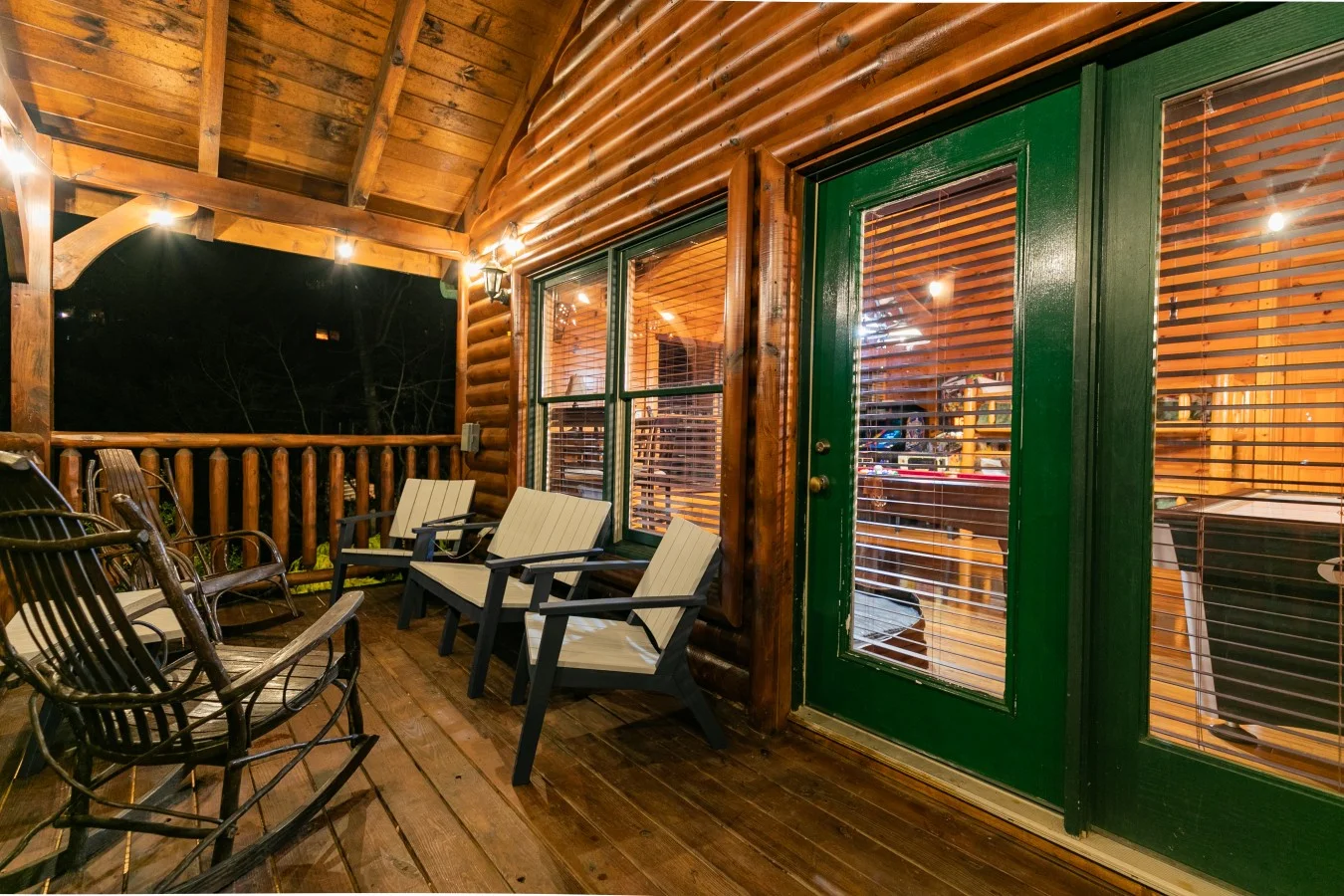
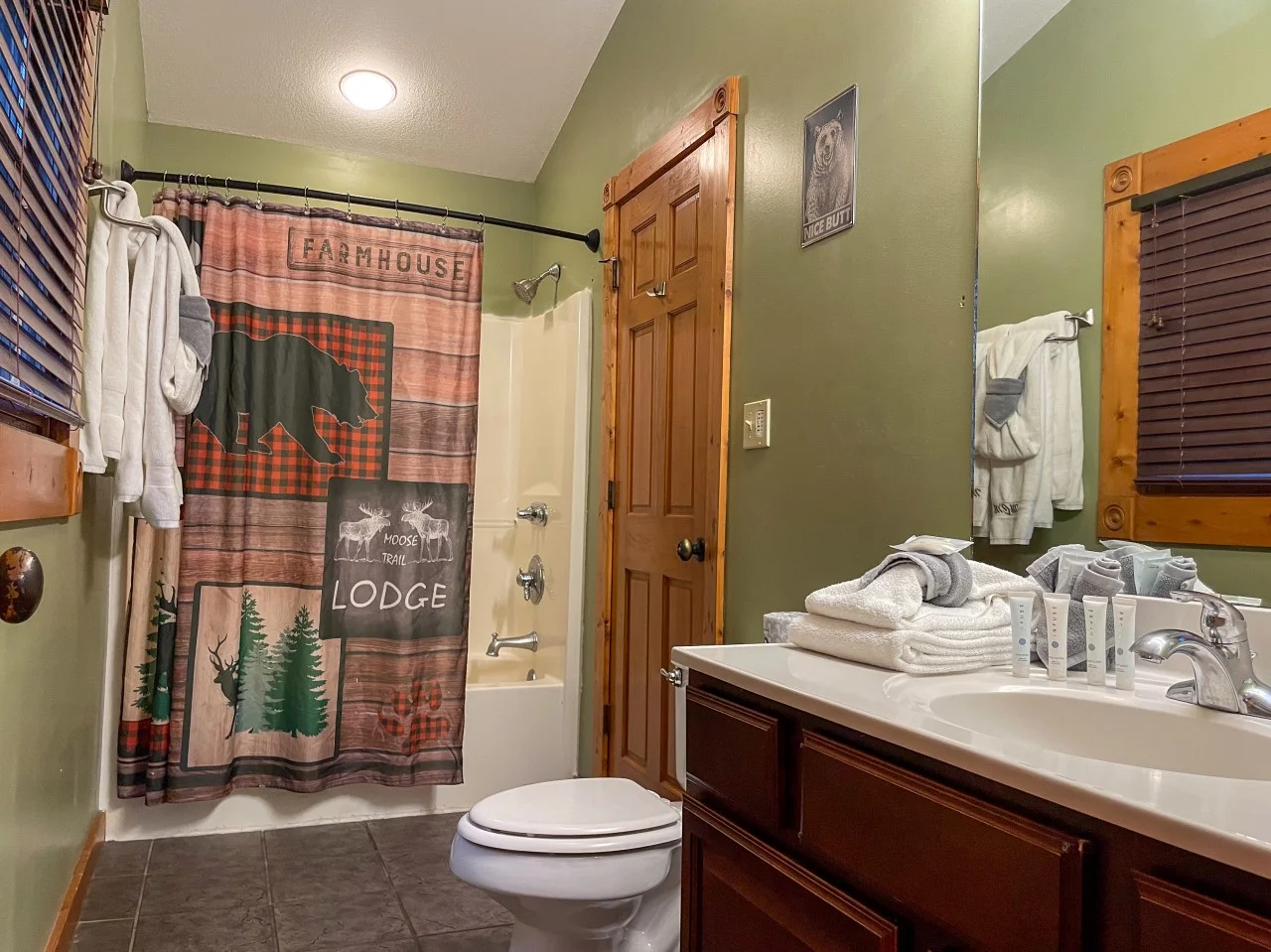
The right base depends on which gems you want. Bear Crest Cabins runs six pet-friendly cabins, each with a private hot tub, and each has a different setting and road, so we match guests to the cabin rather than the other way around.
Heavenly View sits five minutes from downtown Gatlinburg and five minutes from Ober Mountain, with a view guest Miranda described this way: “People pay to take the Sky Lift for a view like this.” The approach includes a steep quarter-mile road and one hairpin switchback, so it suits confident mountain drivers.
Bear Cub Chalet also sits five minutes from downtown Gatlinburg and Ober Mountain, with a cedar sauna, game loft, and frequent bear sightings. One guest wrote, “Lastly we saw EIGHT bears in one day while staying here!” Sightings are never guaranteed, and the last 100 yards of road are narrow.
Smoky Mountain Escape sleeps up to 10 on easy paved resort roads, five minutes from the Gatlinburg strip, which helps if the group includes anyone nervous about mountain driving. For a single-level layout with no interior stairs, Serenity View is about 8 minutes from Pigeon Forge.
The family behind Bear Crest Cabins holds an Airbnb Superhost designation and more than 1,000 five-star reviews. Our where-to-stay guide breaks down areas and cabin types if you are still choosing a side of the valley.
What Should You Skip When You Want Real Hidden Gems?
Skip any attraction that charges a premium for a view you can get free from a pull-off, and skip the Parkway after about midday on summer weekends. Both cost time and money without adding much.
A few honest notes. Roundups that call the SkyLift or the biggest Parkway attractions hidden are misleading; those are fine, just popular. Several quiet spots, such as Mynatt Park, are simple by design, with a playground, courts, a walking trail, and a memorial wall for the 2016 wildfires, so do not expect a headline attraction.
Finally, do not trust any single article for hours or prices. Call or check the official site of each stop in 2026, because seasonal closures change often in the Smokies.
So Which Hidden Gems in Gatlinburg Are Worth Your Limited Time?
If you only have one day, pick one museum or pottery stop, one short waterfall walk, and one quiet park corner. Cataract Falls, the Salt and Pepper Shaker Museum, and the Arts and Crafts Community loop together give you the best mix of variety and low crowds.
The hidden gems Gatlinburg offers reward early starts, weekday visits, and a willingness to leave the Parkway. Whichever pace matters most to you, one of our six cabins is built around it. Retreat. Relax. Reconnect. We would love to host your next Smoky Mountain trip.
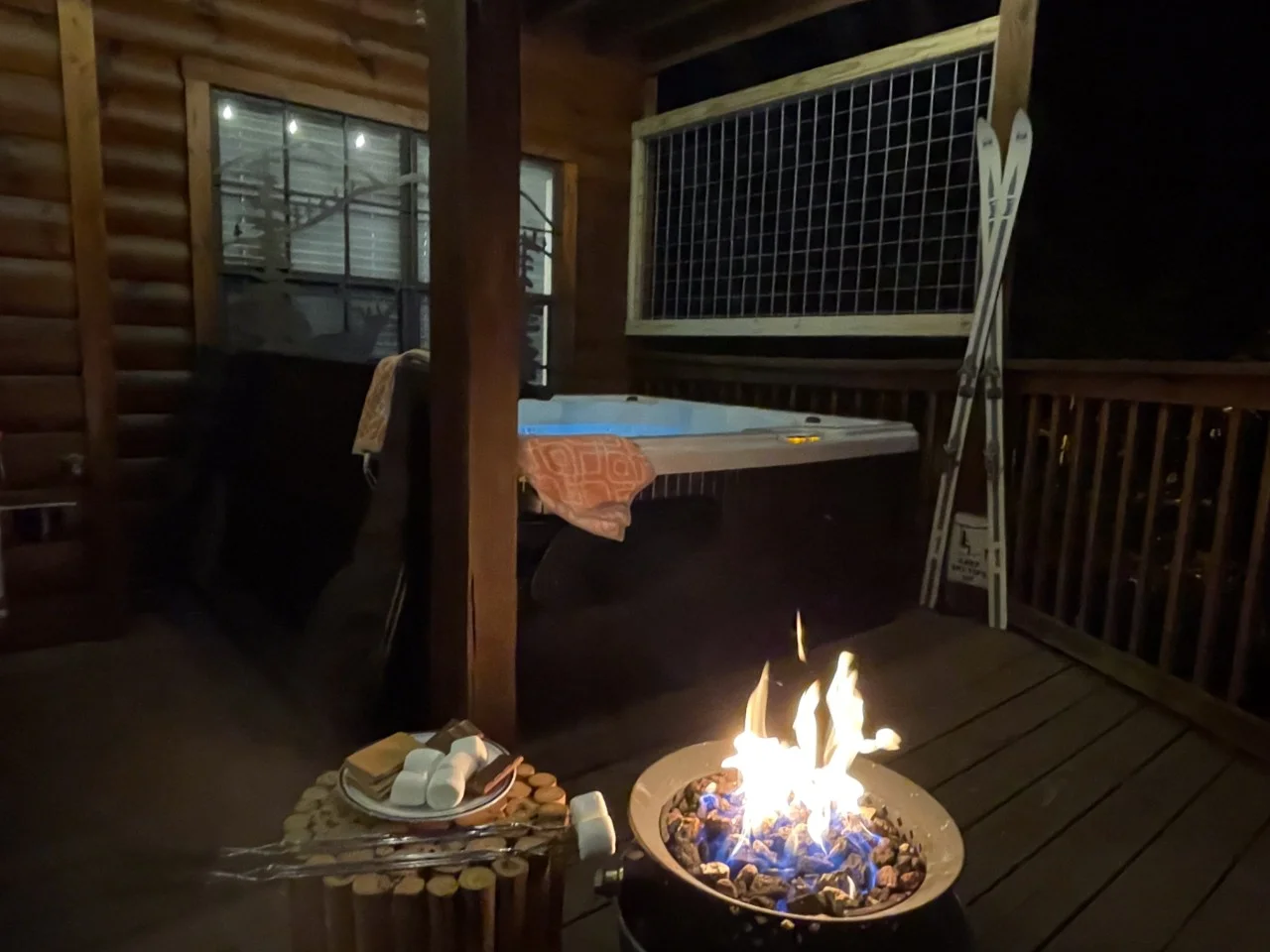
After a day of backroads and small stops, Summit Up sits at the end of a dead-end road in Sevierville, between Gatlinburg and Pigeon Forge, with a private hot tub and gas fire pit waiting on the deck. Check availability for your dates.
Frequently Asked Questions
How much does the Salt and Pepper Shaker Museum cost?
We cannot confirm the current admission price, and it can change, so check the museum’s own listing before you go. What we can verify is the scale: the collection holds more than 20,000 sets of shakers, so most visitors finish in a short stop. It works well as a rainy-day filler between a trail and lunch.
What is the main strip called in Gatlinburg?
The main strip is called the Parkway, the stretch of US 441 through downtown lined with attractions, shops, and restaurants. It gets crowded on summer weekends and holidays. The Gatlinburg trolley can save you the parking hunt.
What are the best hidden waterfall hikes near Gatlinburg?
Cataract Falls is the best easy option, a short walk that suits kids and older relatives. Ramsey Cascades, named in the Gatlinburg tourism board’s underrated-hikes coverage, is strenuous and takes most of a day. Check current trail conditions on the National Park Service site before you go.
Which Gatlinburg trails are quieter and less crowded?
The Gatlinburg Trail, which starts at Sugarlands Visitor Center, is a nearly two-mile walk that tends to be calmer than the headline falls. Metcalf Bottoms and Elkmont on the Wears Valley side also draw fewer people. Weekday mornings are your best bet everywhere.
Can I bring my dog hiking near Gatlinburg?
Yes, on the Gatlinburg Trail, with your dog on a leash at all times. Most other park trails do not allow dogs. All six Bear Crest Cabins are pet-friendly, and the pet fee at most is $75 total for up to two dogs; confirm the fee for your specific cabin.
Where should you stay to explore hidden gems around Gatlinburg?
Bear Crest Cabins is a family-run collection of six pet-friendly cabins with private hot tubs around Gatlinburg, Pigeon Forge, and Sevierville. Heavenly View and Bear Cub Chalet are each five minutes from downtown Gatlinburg, while Honey Bear is about 4.7 miles from Wears Valley. Pick based on which side of the valley you want to explore.
Do any of the cabins need four-wheel drive in winter?
Heavenly View, Bear Cub Chalet, Honey Bear, and Summit Up have steeper or narrower approaches, and we recommend all-wheel drive in icy conditions. Smoky Mountain Escape sits on easy paved resort roads, and front-wheel drive with good tires works there. Booking direct on bearcrestcabins.com gives you the lowest price with no platform fees.
Content powered by inkSTR.co